Quick answer: Royal Oak loft condo association fees vary widely because the developments are not alike. A small townhome-style association with private entrances and owner-controlled systems may have lower monthly dues than a high-rise with elevators, garage structures, security, shared mechanical systems, and utilities included. Fees can also differ within the same development because each unit may carry a different percentage of value, square footage allocation, parking interest, or assessment obligation.
The examples below are a July 2026 research snapshot drawn from recent public listing disclosures and building profiles. They are not quotes, guarantees, or substitutes for a current resale certificate, association budget, ledger, master deed, bylaws, meeting minutes, insurance information, and written confirmation from the association or management company.
Recent Royal Oak loft association-fee examples
| Development | Recent publicly reported monthly example | Why the amount may differ |
|---|---|---|
| Parent Street Lofts | About $204 | Eight-unit adaptive-reuse association; private entries and attached garages can shift more maintenance to individual owners. |
| Lofts @ 11 | About $255 | Lower-scale townhome/loft plans; fee inclusions and responsibility for exterior components should be verified by unit. |
| Grant Park Lofts | About $276 | Large multi-level residences with private-entry character and garage features may have fewer shared interior amenities. |
| SkyLofts MarketSquare | Recent examples approximately $328–$472 | Unit size, percentage of value, bundled gas or water, parking, and allocation of common expenses can produce different dues. |
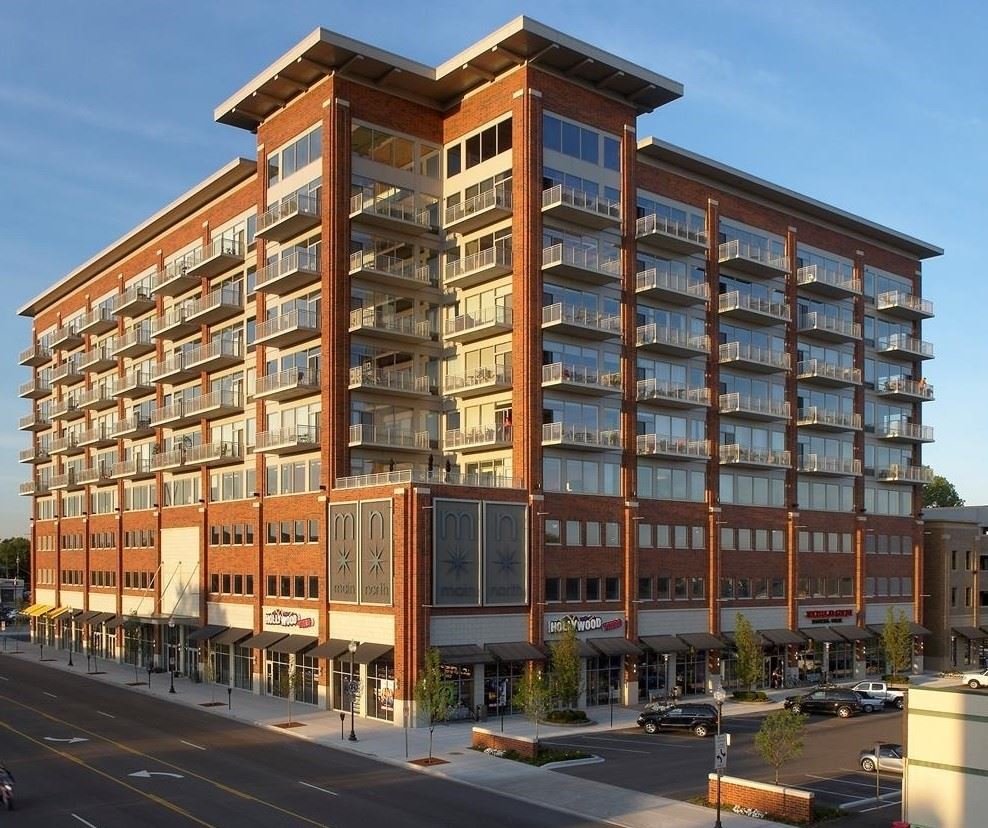
| Main North Lofts | Recent examples approximately $381–$496; larger units may be higher | Elevators, covered parking, fitness/common areas, water, and a broad range of unit sizes can affect the allocation. |
| SkyLofts | About $437 in a recent building profile | Two private parking levels, elevators, fitness space, retail/common-area cost sharing, and building systems contribute to operating costs. |
| Metro Lofts | Recent examples approximately $449–$480 | Industrial-style common elements, roofs, windows, garages, balconies, grounds, snow, trash, and structural responsibilities should be compared carefully. |
| Troy Street Lofts | About $525 in a recent listing | Water, sewer, grounds, snow, trash, common-entry systems, and garage-related responsibilities can affect the monthly total. |
| Center Street Lofts | About $548 in recent listings | Elevator access, secure entry, structure, insurance, water/sewer, pest control, parking, and a smaller number of units can influence dues. |
| The Fifth Royal Oak | Recent examples approximately $590–$878 | High-rise elevators, covered parking, security, façade, shared mechanical systems, gas, water, sewer, and unit-size allocations can create a wide range. |
| Station 3 Lofts | Recent examples approximately $372–$661 | The development includes a broad range of floor plans and sizes, so the assigned percentage of common expenses can vary substantially. |
| Main Street Lofts | A 2026 listing reported $750 during temporary reserve contributions, with an estimated $375 ongoing amount after 2027 | This is a strong example of why buyers must separate the normal operating dues from temporary reserve funding or assessment-related contributions. |
Important: The examples above may change before a buyer reads this article. A listing can be outdated, entered incorrectly, or omit a separate assessment. The current association records and transaction documents control.
Why two units in the same development may have different dues
Condominium expenses are commonly allocated through a percentage of value or another formula established in the master deed. A larger penthouse, multi-level residence, additional parking interest, or unit with a greater percentage of common elements may pay more than a smaller unit. The difference is not necessarily an error or a special deal.
Listings can also display fees differently. One may show only the regular monthly assessment while another includes a temporary reserve contribution, parking charge, bulk utility, or special assessment installment. Always ask for a written breakdown.
What Royal Oak loft association fees may include
Depending on the development, monthly dues may fund some combination of master insurance, exterior and structural maintenance, elevators, garage or parking-structure maintenance, landscaping, snow removal, trash, water, sewer, natural gas, security, fitness rooms, common lighting, fire-suppression systems, management, legal and accounting services, and reserve contributions.
A lower fee is not automatically the better value. It may simply mean that owners pay more expenses directly or that the association is contributing less to reserves. A higher fee is not automatically excessive when it replaces costs an owner would otherwise pay separately and supports major shared systems.
Building type is a major cost driver
High-rise developments
The Fifth, Main North, and the SkyLofts developments have elevators, controlled access, structured parking, shared systems, and substantial common elements. These features can increase operating, insurance, inspection, and reserve needs.
Mid-rise and industrial-style loft buildings
Station 3, Metro Lofts, Center Street Lofts, and Troy Street Lofts may balance shared common-entry, structural, roof, window, parking, balcony, and elevator obligations against fewer full-service amenities. Unit allocations can still vary significantly.
Smaller and townhome-style associations
Parent Street, Grant Park, and Lofts @ 11 may show lower dues because residences have private entries, attached garages, individual mechanical systems, or greater owner maintenance responsibility. Smaller associations can also face more concentrated costs when a major project is divided among fewer owners.
Reserve contributions can temporarily change the monthly number
The Main Street Lofts example is especially instructive. A public 2026 listing stated that the association fee was temporarily $750 per month because of reserve contributions expected to end in 2027, after which the listing estimated an ongoing fee of $375. Buyers should not assume the higher number is permanent, but they also should not rely on an estimated future reduction without reviewing the adopted budget, owner notices, and association confirmation.
Temporary contributions can be a responsible way to strengthen reserves and pay for planned work. The important questions are why the contribution exists, how long it lasts, whether the project is fully funded, and whether another assessment is being discussed.
How to compare association fees fairly
- Start with the monthly amount, then identify every inclusion. Separate water, gas, sewer, trash, parking, storage, cable, security, and amenities.
- Ask for the unit’s exact percentage of value. This helps explain why another unit in the building pays a different amount.
- Review the current operating budget and reserve balance. Low dues with weak reserves can create future assessment risk.
- Read recent meeting minutes. Look for roof, elevator, façade, garage, window, balcony, insurance, plumbing, and mechanical projects.
- Request a written assessment statement. Confirm regular dues, special assessments, delinquencies, transfer charges, move fees, and pending increases.
- Compare total housing cost. Add mortgage, taxes, dues, insurance, utilities, parking, and likely unit maintenance rather than comparing dues alone.
Questions buyers should ask before making an offer
- What is the regular monthly assessment for this exact unit?
- Is any part of the payment temporary?
- What utilities and services are included?
- Are parking and storage billed separately?
- When was the last increase, and is another increase proposed?
- Are there current or approved special assessments?
- How much is held in reserves, and is there a current reserve study?
- What major projects were completed during the last five years?
- What major projects are expected during the next five years?
- How many owners are delinquent, and are there active insurance or litigation issues?
The best fee is the one that supports the building responsibly
The goal is not to find the smallest monthly number. The goal is to understand what the fee buys, whether the budget is realistic, whether reserves match the building’s needs, and how the exact unit’s allocation compares with similar residences. A well-run association with transparent records can justify a higher fee, while an unusually low fee can deserve additional scrutiny.
Next step: Contact James Balk at (248) 835-8621 to compare current Royal Oak loft listings, association dues, included services, reserve information, and same-development sale history.